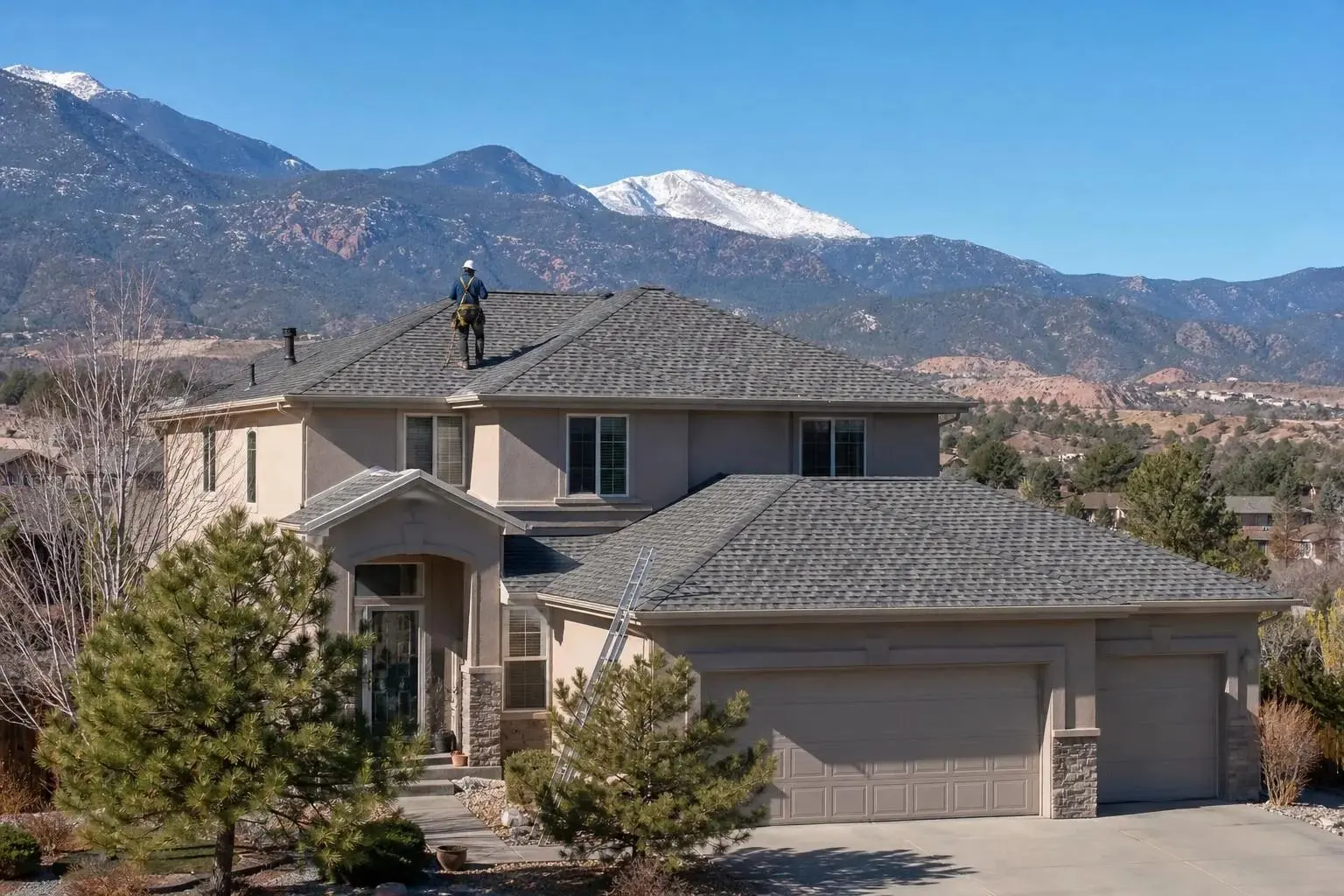
Colorado Springs and nearby El Paso and Teller County towns
Roof Repair in Colorado Springs, CO
Leak, hail damage or shingles torn off by the wind? Call or send a request to be connected with an independent Colorado Springs roofing contractor.
Colorado Springs and nearby El Paso and Teller County towns
Leak, hail damage or shingles torn off by the wind? Call or send a request to be connected with an independent Colorado Springs roofing contractor.
Roof trouble in Colorado Springs rarely waits for a convenient week. A June hailstorm rattles across the neighborhood and leaves bruised shingles and dented vents. A winter chinook peels a strip of shingles off the ridge. Snow melts on a sunny afternoon, refreezes at the eaves overnight and backs water under the shingles, and a brown stain shows up on the bedroom ceiling. Sometimes the first sign is just a drip in the attic after a heavy rain.
Colorado Springs Roof Repair Help keeps the first step simple. It is an independent referral service, not a roofing company. Call or send the request form, and your request goes to an independent roofing contractor who serves Colorado Springs and the surrounding towns. The contractor contacts you, looks at the roof, explains what is damaged and gives you a price before any work begins. You decide whether to go ahead. There is no charge for the referral, and callbacks and on-site availability vary, especially in the busy weeks after a big storm.
Requests are welcome from the older blocks of the Old North End and Old Colorado City, the hillsides of Rockrimmon and Mountain Shadows, newer subdivisions in Briargate, Wolf Ranch, Stetson Hills and Banning Lewis Ranch, and from Monument, Fountain, Falcon, Woodland Park and Peyton. Leaks, missing or creased shingles, hail and wind damage, failed flashing around chimneys and vents, roof inspections and full replacements all start the same way: one call or one form.
Colorado Springs Roof Repair Help is an independent referral service, not a roofing company. It does not employ roofers, own trucks or sell roofing materials, and it does not handle insurance claims. When you call or send a request, it is passed to an independent, third-party roofing contractor who serves Colorado Springs. That contractor contacts you, inspects the roof, sets the price, schedules the work, pulls any permit and backs the job with their own warranty and terms.
Using this site costs you nothing. You pay only the contractor, and only if you approve the work they quote. Callbacks and on-site availability vary.
More about us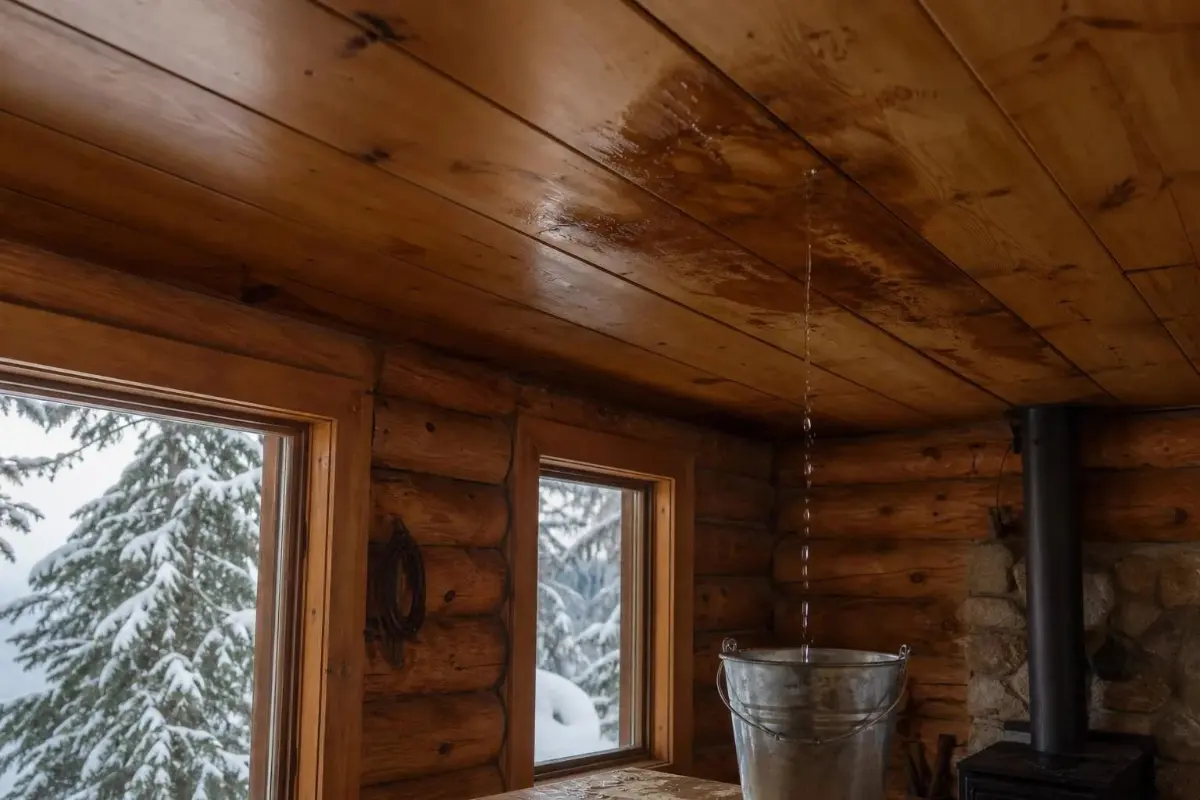
A roof is a system. Shingles shed water, but the underlayment, flashing, vents, drip edge and the deck underneath all have to work together, and a leak often shows up far from where the water got in. That is why an honest inspection should come before a price. Each service page below covers the warning signs, what the work involves, typical costs with their sources, the local rules that apply and the questions worth asking the roofer.
Requests are welcome from across Colorado Springs and from nearby communities in El Paso and Teller counties. Monument, Fountain, Falcon, Woodland Park and Peyton each have their own page covering the roofing rules, elevation and storm history that set them apart. Requests from Security-Widefield, Cimarron Hills, Black Forest, Gleneagle, Manitou Springs, Palmer Lake and Woodmoor are handled the same way. Coverage is always confirmed by address when the contractor follows up.
See all service areas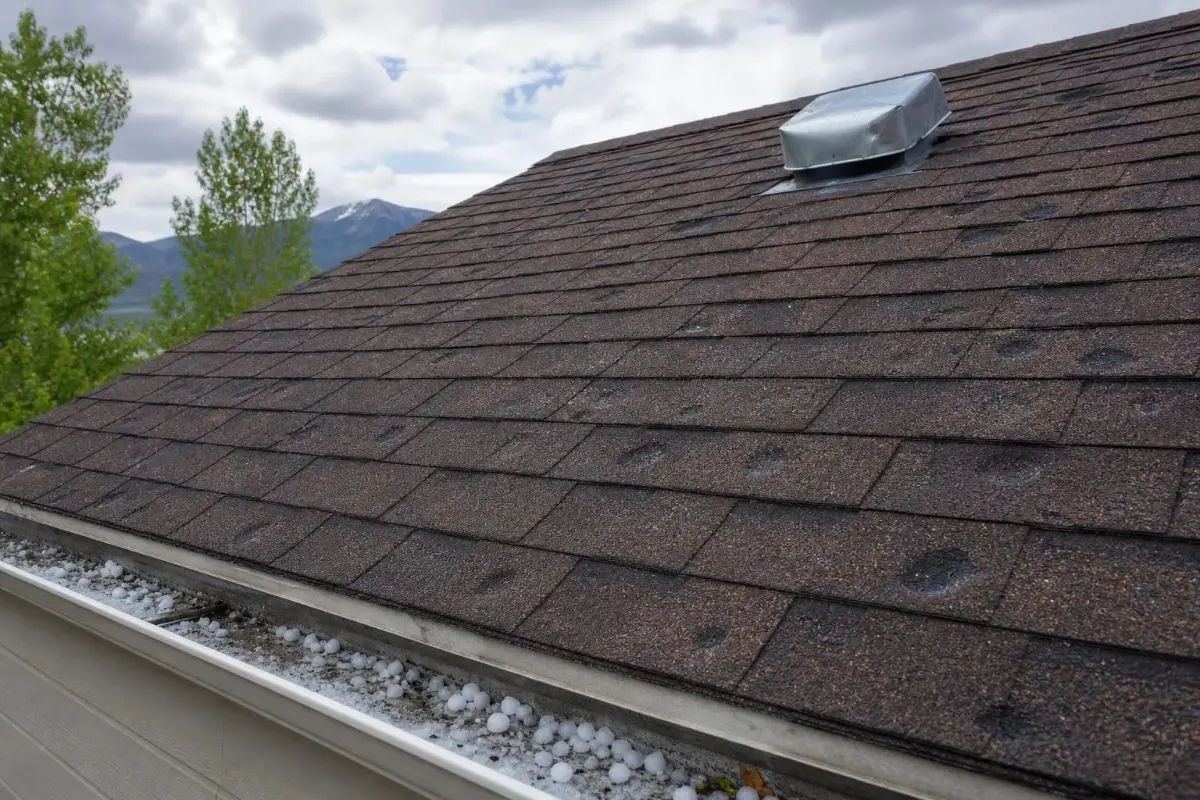
Your request goes to an independent roofing contractor who works in Colorado Springs and nearby towns.
Ask the roofer to show you photos of the damage and explain the cause before quoting.
Colorado law requires a written roofing contract before work begins. Read it before you sign.
Using this site is free. You pay the roofer only for work you approve.
The roofer you are connected with sets their own prices, so every figure here is a guide, not a quote.
Colorado Springs figures from Angi, which shares one cost database with HomeAdvisor (read November 2026; the pages do not say when the data was collected):
National figures from Angi's roof repair cost guide, labeled 2025 data:
Full replacement by the square. Roofers price replacements by the "square," 100 square feet of roof. Fixr's asphalt shingle guide (updated January 21, 2026, national) puts installed architectural shingles at $4 to $8 per square foot, which works out to about $400 to $800 per square, and says tear-off can add $50 to $150 per square when billed separately. For Colorado as a whole, This Old House (updated June 12, 2026) gives an average replacement of $9,534 and asphalt at $4.68 per square foot.
What moves the price: the size and pitch of the roof, how many layers have to come off, the shingle type (standard, architectural or impact-rated), damaged decking found once shingles are removed, chimneys, skylights and valleys that need new flashing, the ice barrier PPRBD requires above 7,000 feet, permit fees, and how busy roofers are after a storm. Ask for the price before work starts and get it in writing.
The U.S. Census Bureau counted about 488,664 people in Colorado Springs in mid-2023 and reports that 61.3 percent of homes are owner-occupied. The city's 2025 housing fact sheet counts 216,476 housing units, 61 percent of them single-family detached, with a median year built of 1986. In unincorporated El Paso County, which takes in places like Falcon, Peyton and Black Forest, the median year built is 1995 and 82 percent of homes are single-family detached.
For roofs, that means a large share of local houses have already been through at least one reroof, often after a hailstorm, and many are on their second or third. It also means plenty of homes still carry details from an earlier era: roofs laid over an older layer, wood shakes that predate the city's Class A rules, original flashing around chimneys and plumbing vents, and attic ventilation designed decades ago. Newer subdivisions on the north and east sides have their own pattern, with large, complex roofs whose first builder-grade shingles are now reaching the age where hail and wind take a toll.
If you rent, which is true of nearly four in ten Colorado Springs households, report a leak to your landlord or property manager in writing before booking any roof work. If you live under an HOA or metro district, check its design rules before choosing a new shingle color or material.
Statewide, severe hail days start rising in late April, peak in early to mid-June and taper off around mid-August, according to Colorado State University. The Colorado Climate Center notes that 2023 set records for hail reports in every size category, and that Colorado's record hailstone, 5.25 inches across, fell in Yuma County on August 8, 2023. The National Weather Service counts hail as severe at 1 inch or larger.
Colorado Springs has seen the worst of it. The National Weather Service office in Pueblo's 2018 hail summary lists three major El Paso County storms that summer:
Hail does not always leave obvious holes. It can knock the protective granules off asphalt shingles, crack the mat underneath, dent metal vents, gutters and flashing, and split older wood shakes. Some of that damage leaks right away; some shortens the roof's life without a drop of water inside. That is why a careful inspection after a big storm matters even when the ceiling looks fine. If a storm comes through, photograph the roof from the ground, the gutters, downspouts, vents and any dented siding or window screens, and write down the date.
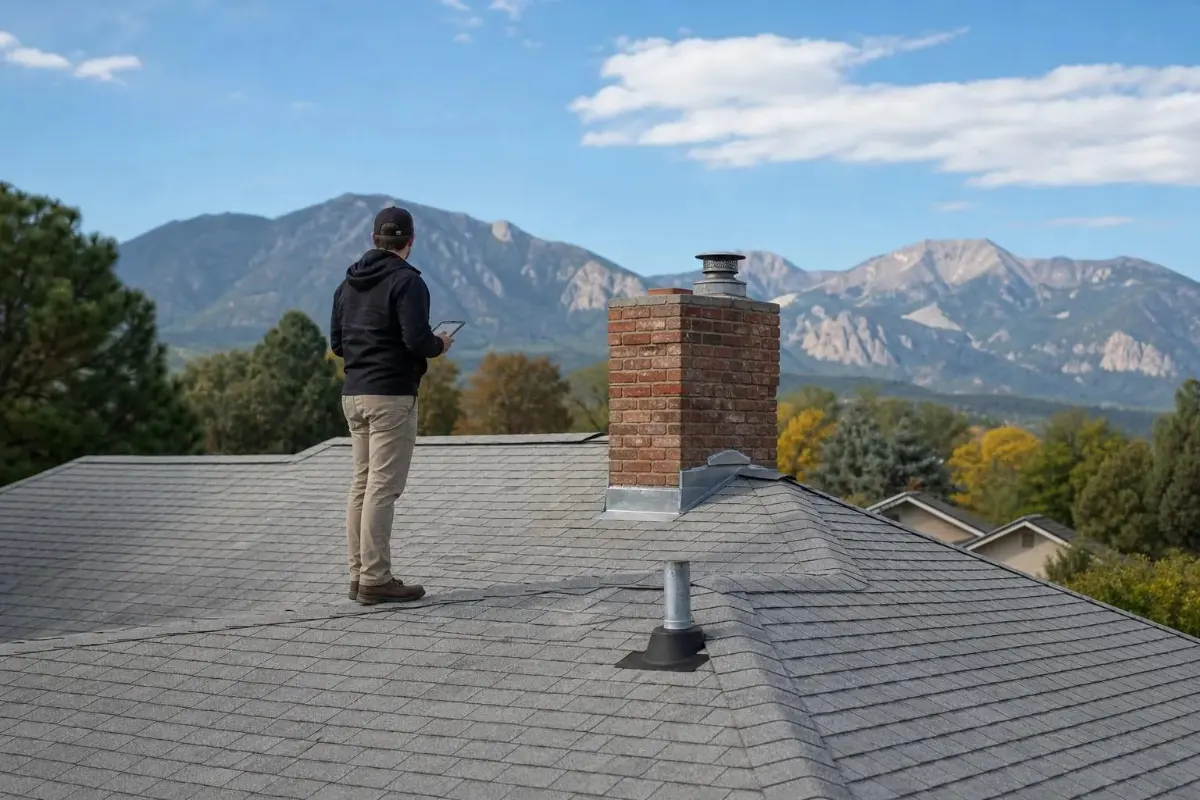
Colorado Springs sits at about 6,035 feet, according to Visit Colorado Springs, with Pikes Peak rising to 14,115 feet to the west. That setting puts four kinds of stress on a roof besides hail.
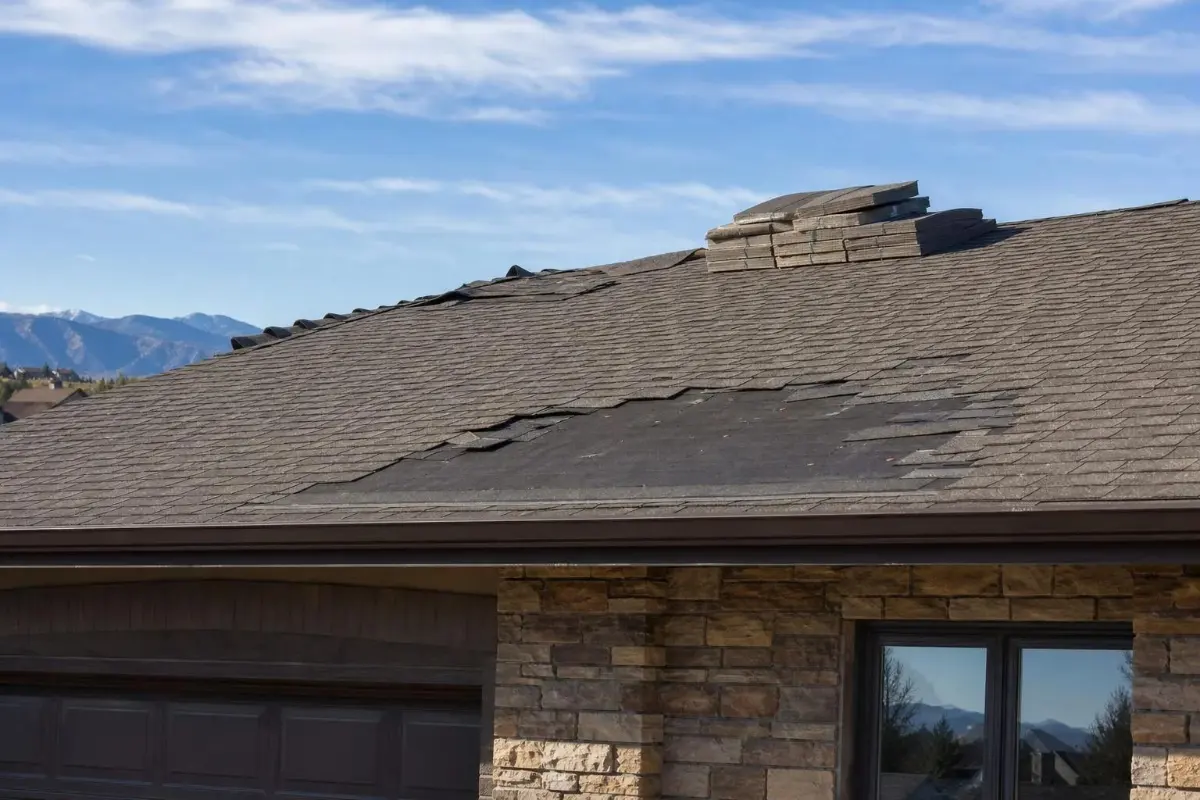
Wind. NWS Pueblo lists Colorado Springs among the foothill areas where downslope winds of 60 to near 100 mph can occur, mostly in the cold season. On December 15, 2021, it logged gusts of 93 mph in Colorado Springs, 92 mph at the airport and 100 mph at the Air Force Academy, noting that not every report came from official equipment (NWS storm summary). Wind like that lifts shingle tabs, breaks the seal strips that hold them down and strips ridge caps. The regional building department designs homes for an ultimate wind speed of 130 mph and requires Exposure C, the open-terrain category, everywhere it issues permits (PPRBD design criteria).
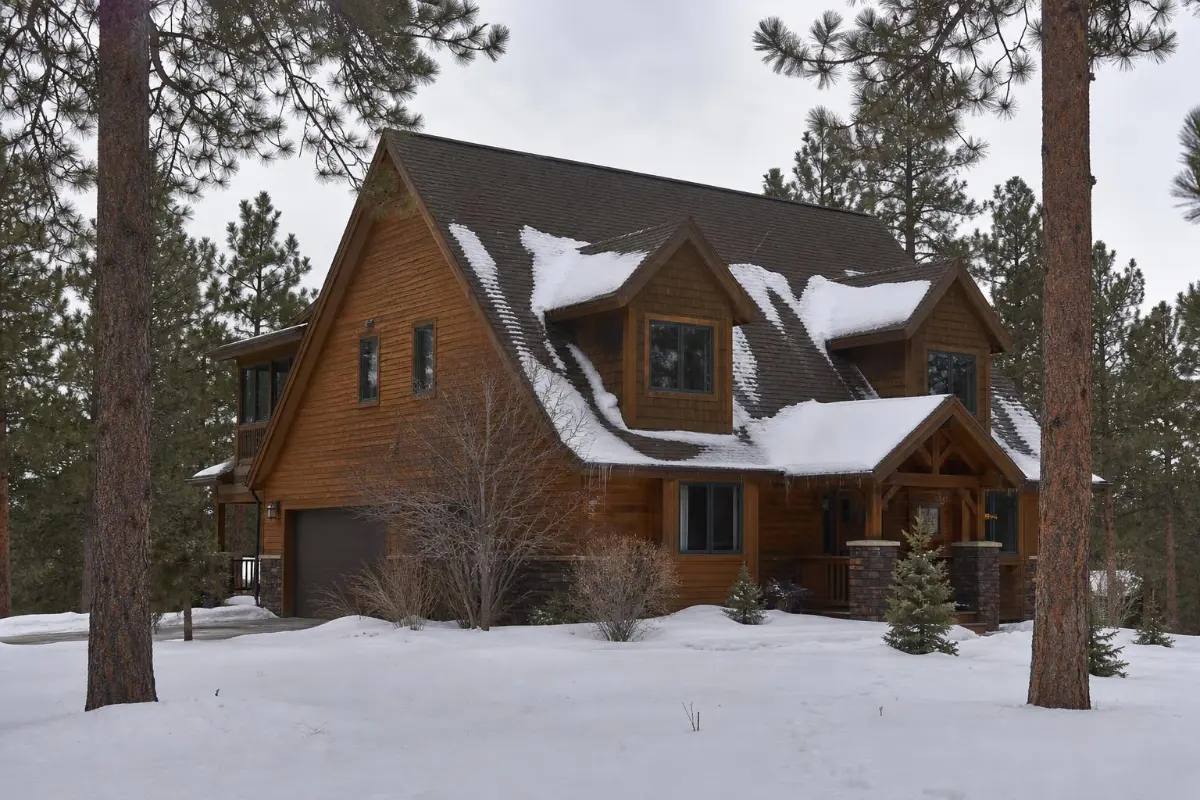
Snow and ice. The same design criteria set a ground snow load of 43 pounds per square foot below 7,000 feet and 57 at or above it. Above 7,000 feet, PPRBD also requires an ice barrier along the eaves on reroofs, because snow that melts on a sunny day and refreezes at the cold edge of the roof can dam up and push water under the shingles.
Sun. Strong sunlight at altitude and dry air age asphalt shingles, rubber pipe boots and sealants faster than in milder, lower places. Cracked vent boots are one of the most common sources of small leaks.
Freeze and thaw. Cold snaps followed by warm, dry chinook winds can swing temperatures quickly. Water that gets into a crack or under loose flashing freezes, expands and widens the gap, so a minor leak tends to grow over a winter if it is ignored.
Building permits for Colorado Springs, unincorporated El Paso County, Fountain, Manitou Springs, Monument, Palmer Lake, Green Mountain Falls, Calhan and Woodland Park all go through the Pikes Peak Regional Building Department (PPRBD), as El Paso County also explains. PPRBD's roofing rules are short and worth knowing before anyone climbs a ladder.
You can look up a contractor's PPRBD license and any permit on your address on PPRBD's website. Ask the roofer for the permit number and check that the final inspection passed before you make the last payment.
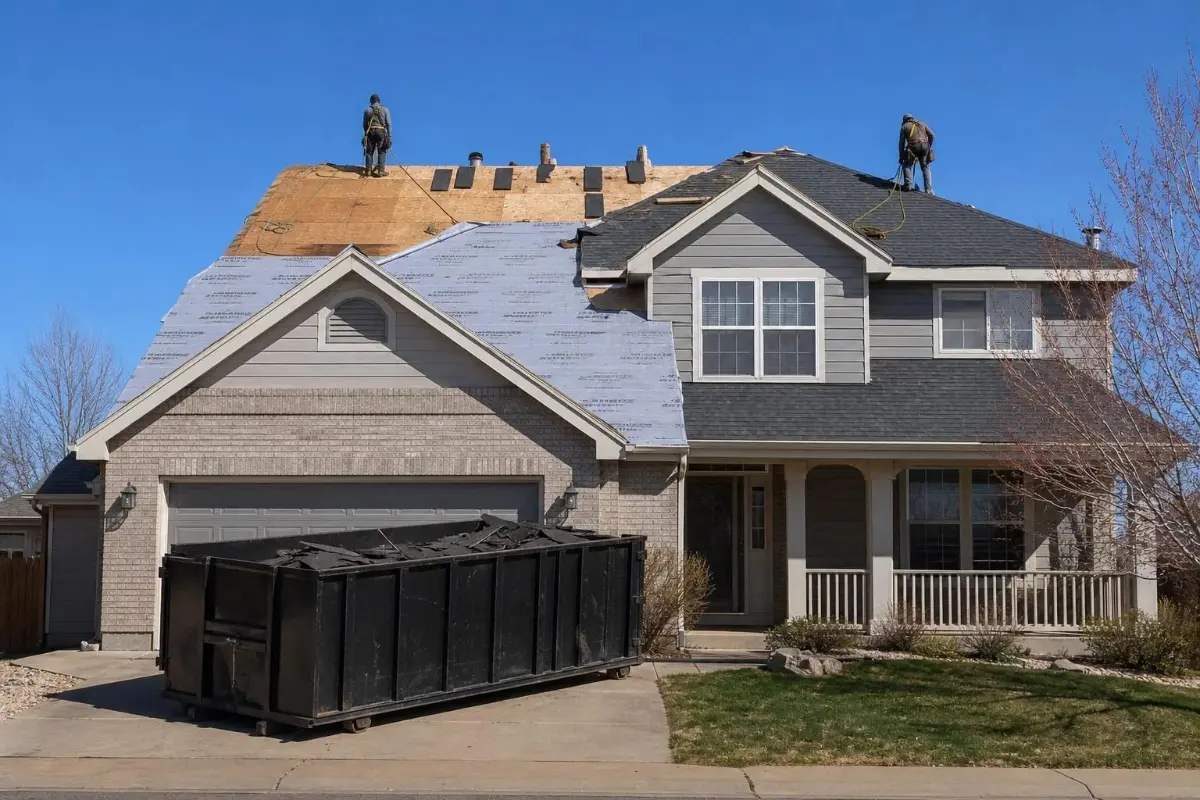
Colorado Springs learned hard lessons from the 2012 Waldo Canyon Fire, which destroyed 347 homes in Mountain Shadows according to the city's after-action report, and the 2013 Black Forest Fire, which burned more than 14,000 acres and affected about 500 properties.
Rules depend on your exact address, so ask the roofer, PPRBD or your fire district which apply before you choose a material. Whatever the rule, keeping pine needles and leaves out of gutters and valleys helps any roof.
Colorado Springs Roof Repair Help does not handle insurance claims, is not a public adjuster and cannot tell you what your policy covers. Your insurer and your policy decide that. What we can do is point you to the rules Colorado has put in place for roofing work, because they protect you whether or not you use this site.
Before you file, read your policy's deductible and any deadline it sets for reporting damage, and call your agent or insurer with questions. If you are weighing impact-rated shingles, ask your insurer whether it offers a discount for them.
1. Call or send the form. Describe what you see: a leak and where it shows inside, missing shingles, hail or wind damage, or simply a roof you want checked. Mention whether water is coming in right now. 2. A roofer follows up. An independent roofing contractor who serves Colorado Springs contacts you to arrange an inspection. Callbacks and on-site availability vary, and after a major hailstorm schedules fill quickly. 3. Inspection and explanation. The roofer inspects the roof, and the attic if needed, and should show you photos of what they found and explain the cause. 4. Written price and contract. You get a price. For roofing work, Colorado law requires a written contract before work begins. 5. Permit and repair. For work over 100 square feet, the contractor pulls the PPRBD permit and does the work. 6. Inspection and final payment. Where a permit was pulled, the contractor schedules the PPRBD inspection. Check that it passed before paying in full.
You decide at every step. Nothing is done without your approval, and there is no charge for the referral.
Timing depends on the job and the season.
Spring and summer bring hail; fall and winter bring the strongest winds and snow. Repairs happen year-round, but snow, ice and wind can push back the work, so ask the roofer about timing for your job.
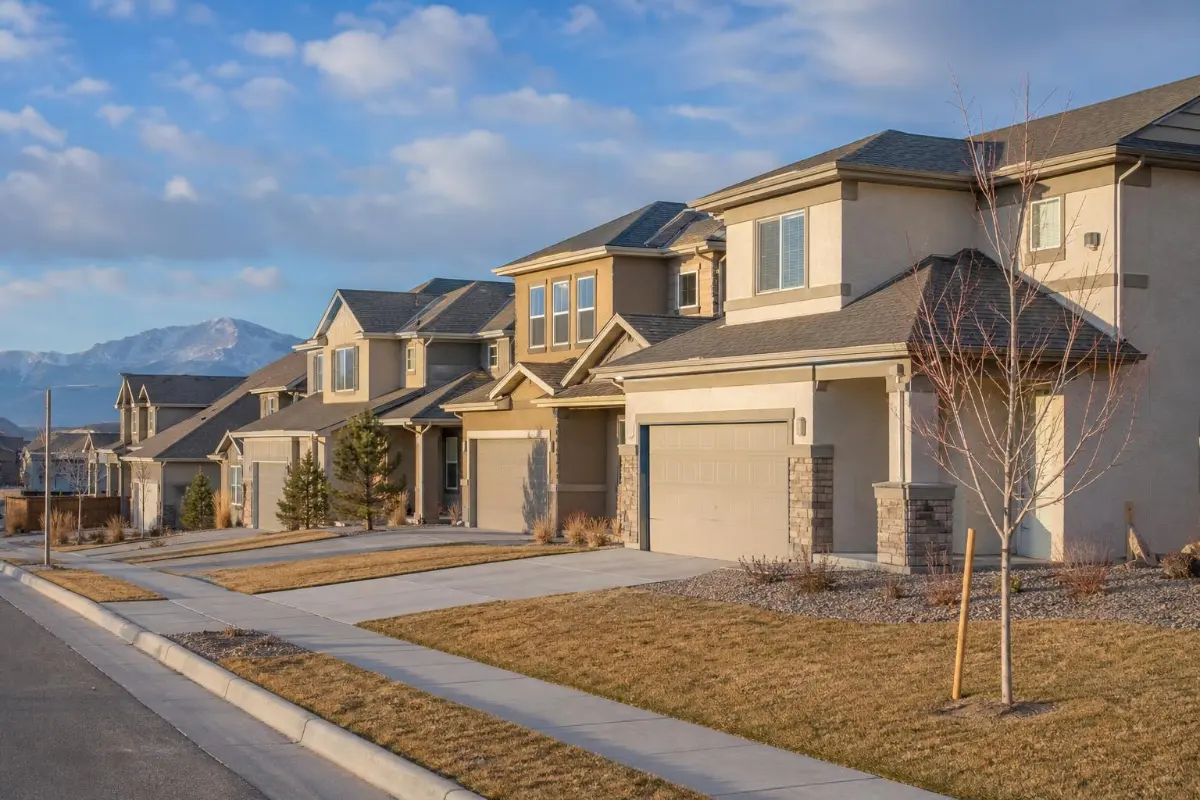
The city's PlanCOS neighborhood framework groups Colorado Springs neighborhoods by age and layout, and those groups line up well with the roofs you tend to find in each.
Requests are also welcome from Northgate, Flying Horse, Cordera, Cheyenne Mountain Ranch, Powers and every other part of the city. Mention your neighborhood or cross streets when you call.
The same referral process covers homes outside city limits:
All of these communities fall under the Pikes Peak Regional Building Department for building permits. Coverage is confirmed by address when the contractor follows up.
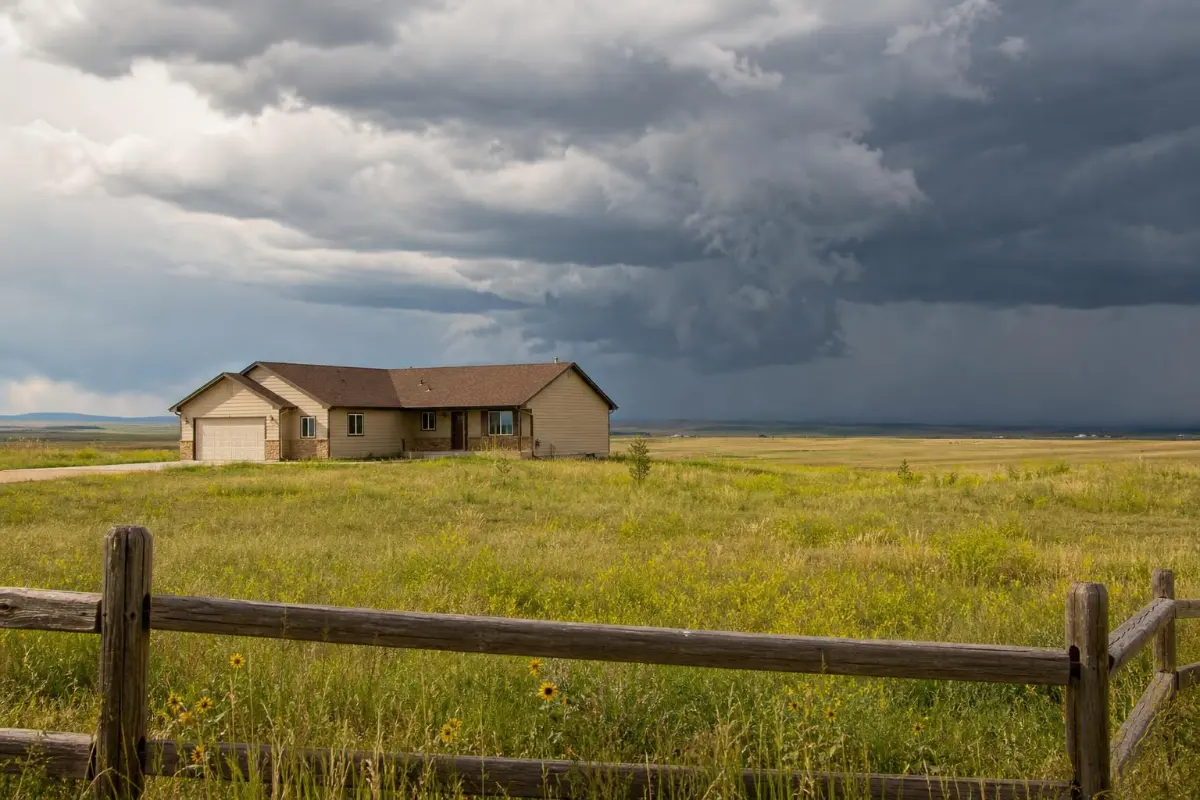
Roofs usually warn you before they fail, and catching the signs early keeps repairs small.
If you see active water, move belongings, catch drips and turn off power to any light fixture with water in it.
After a hailstorm, windstorm or a sudden leak:
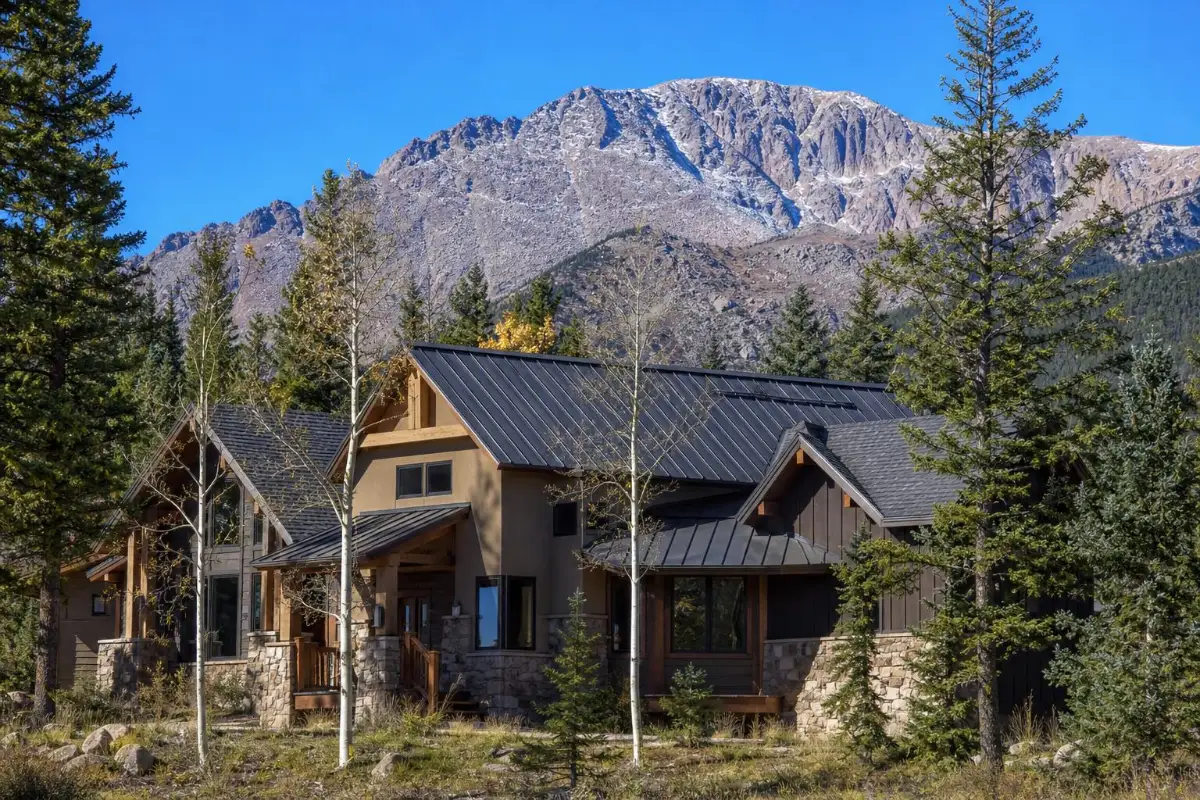
Whether you use this site or call around yourself, these questions sort roofers quickly.
The Colorado Attorney General's consumer alert on home repair scams advises turning away uninvited contractors, being wary of anyone who wants control of your insurance claim, getting at least three bids, insisting on firm start and finish dates and paying in installments as work is completed. Don't make the final payment until the work is done, the permit inspection has passed and you are satisfied.
No. Colorado Springs Roof Repair Help is an independent referral service, not a roofing company. Your request goes to an independent roofing contractor who serves Colorado Springs. That contractor inspects the roof, sets the price, does the work and provides any warranty under their own terms.
No. The referral is free. You pay only the roofer, and only for work you approve after hearing the price.
It depends on the contractor's schedule and the season. Callbacks and on-site availability vary, and after a major hailstorm roofers are often booked out. Say so if water is coming in right now.
Angi's Colorado Springs page shows an average of $1,070 for asphalt shingle roof repair, with most jobs between $303 and $1,754. A few shingles or a vent boot costs far less than a large hail repair, and a full replacement is a different project, averaging $10,251 on Angi's Colorado Springs page. These are guides, not quotes. The roofer sets the price after inspecting the roof.
Permits here go through the Pikes Peak Regional Building Department. PPRBD requires a permit for roof repair or replacement over 100 square feet, and a contractor you hire must pull it. Smaller repairs under 100 square feet do not need one.
No. This site does not handle insurance claims and is not a public adjuster. Call your insurer or agent about coverage. A roofer you hire may discuss the scope of repairs with your insurer under a signed contract, and Colorado law lets you cancel a roofing contract within 72 hours after receiving a written claim denial.
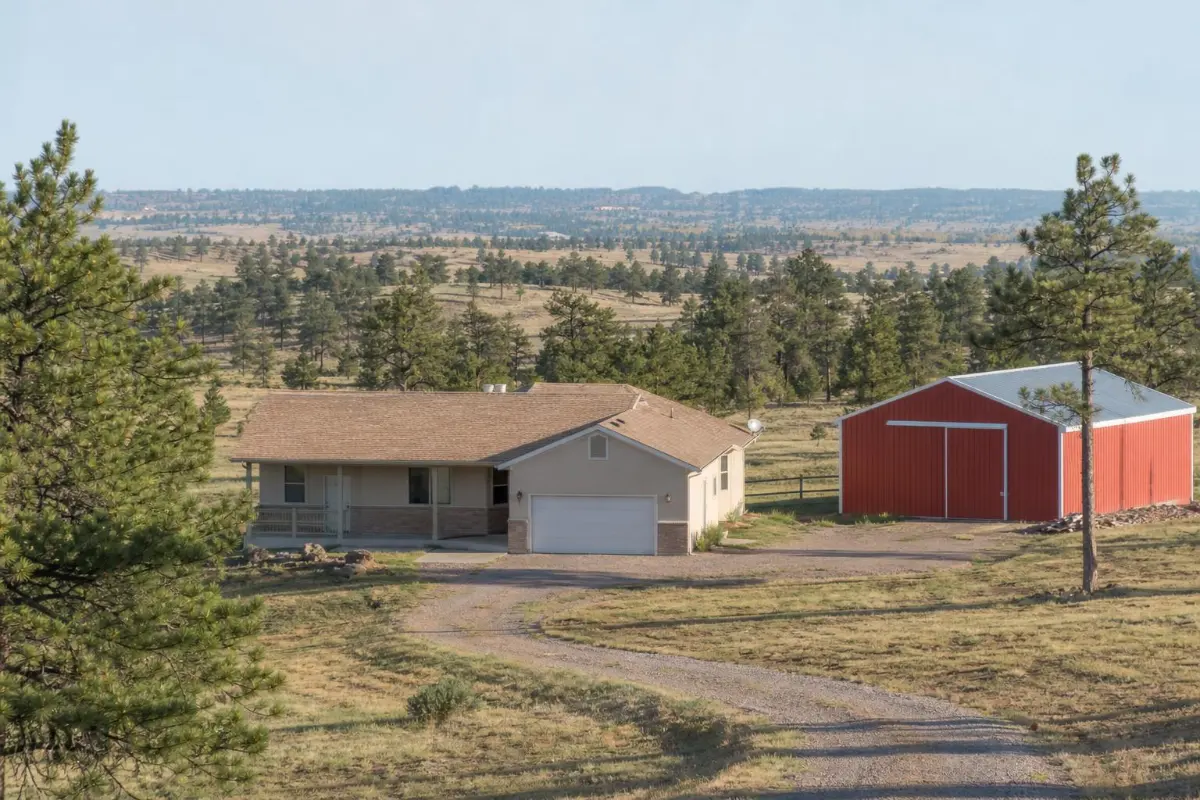
Tell us what your roof is doing and get connected with an independent Colorado Springs roofing contractor.
Free — no obligations